

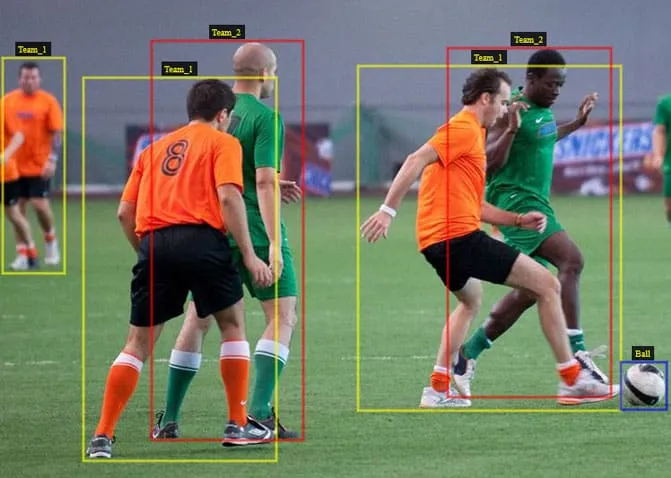
Sports Analytics
High quality training data for
Artificial Intelligence & Machine Learning



Professional Data Annotation Services
Annotation Support is a reliable data annotation services company that provides superior data labeling services to AI and machine learning models. Our professional teams transform raw data into high-quality and scalable AI training data sets that enhance the overall performance of the models in the computer vision, machine learning and speech recognition applications.
Bounding Box
Annotation
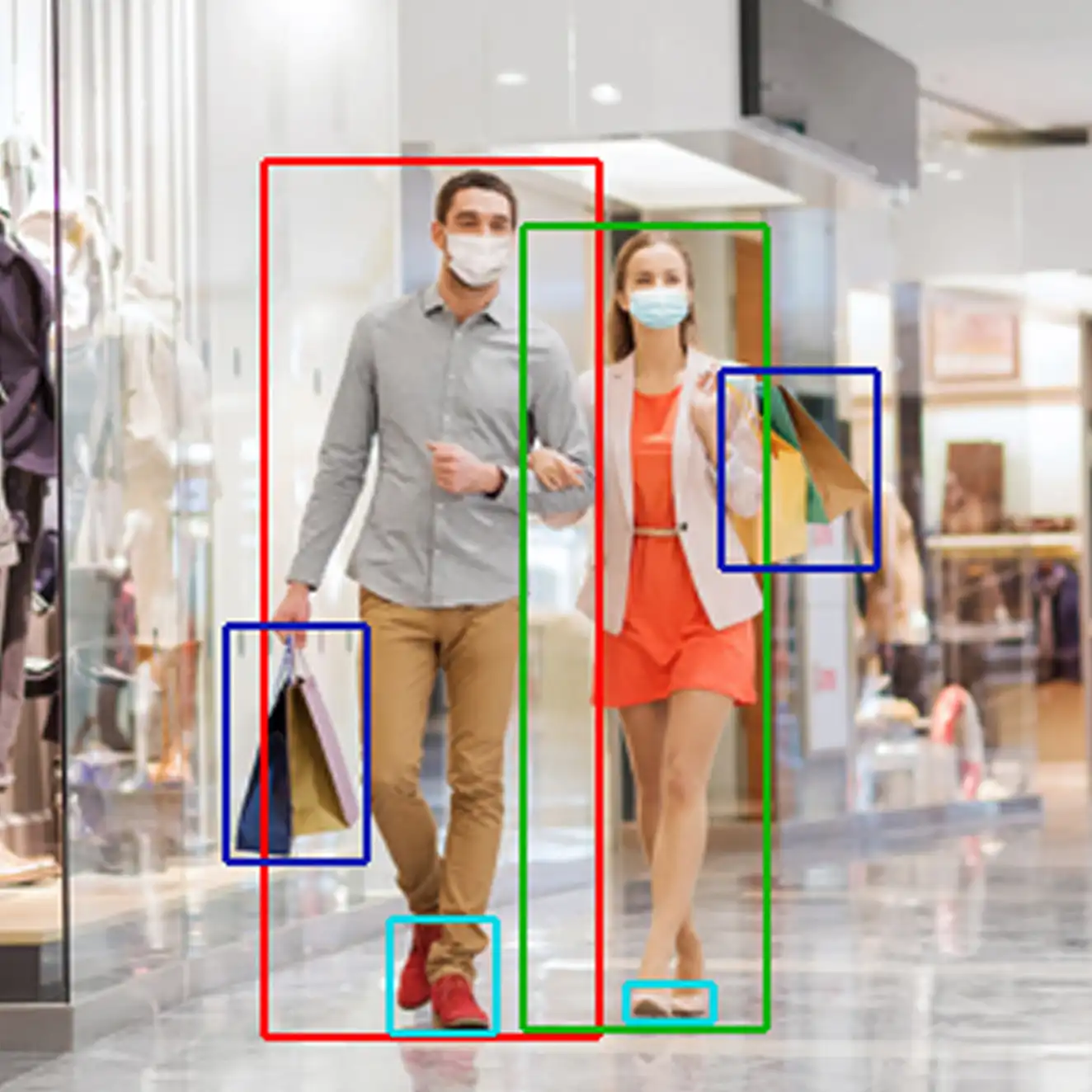
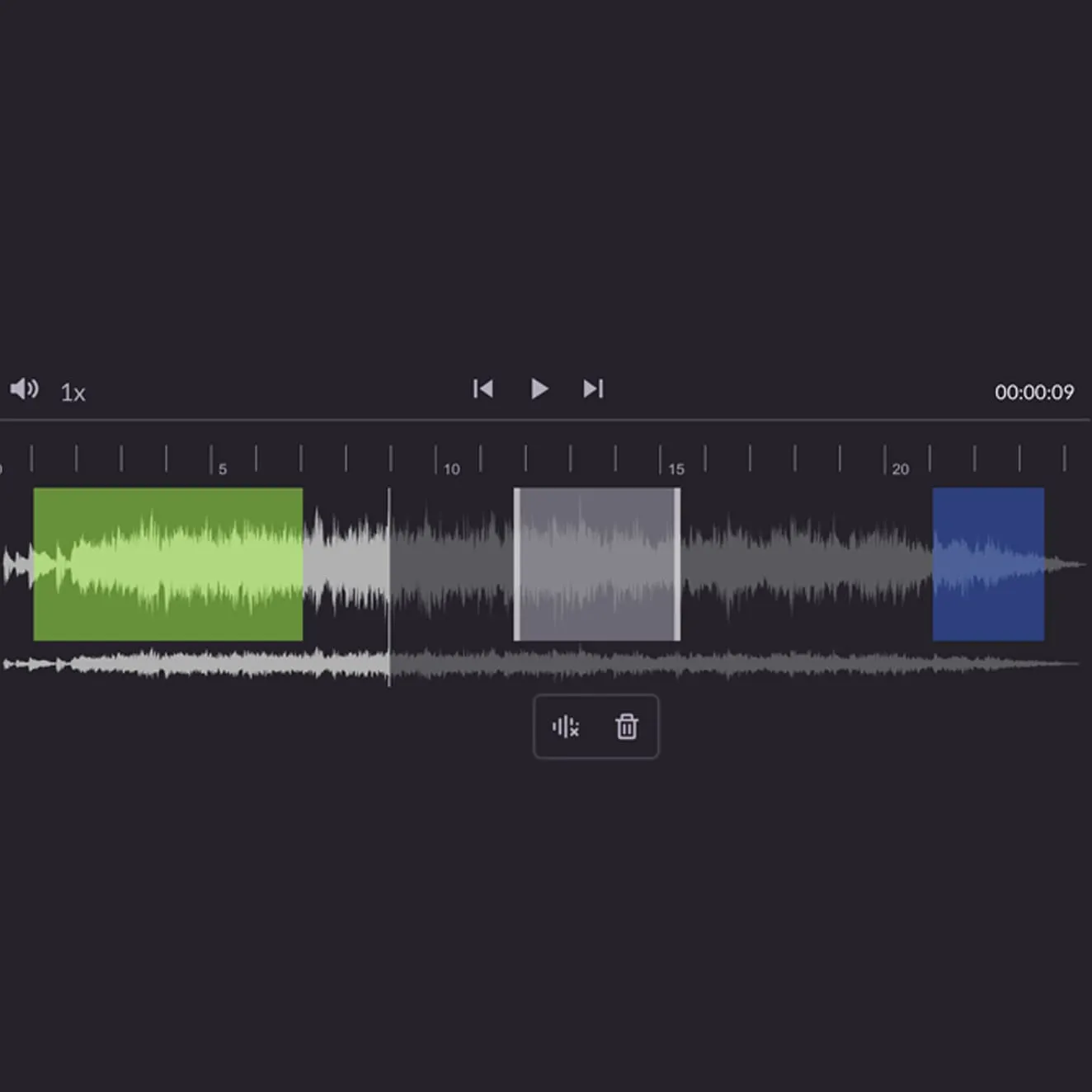
Bounding Box Annotation Service enables the detection of an
object in a precise manner through computer vision. It is used
to train the machine learning models and AI in calculating the
attributes easily. It is the most common and widely used
annotation technique for machine learning models. A bounding box
is drawn by the annotators over an object and is then labelled.
It is generally drawn tight, and no loose ends are left.
Bounding box annotation is a time-intensive and cumbersome task,
but it is very essential for building any machine learning
models, including autonomous vehicles, image recognition or face
recognition systems.
Semantic Segmentation
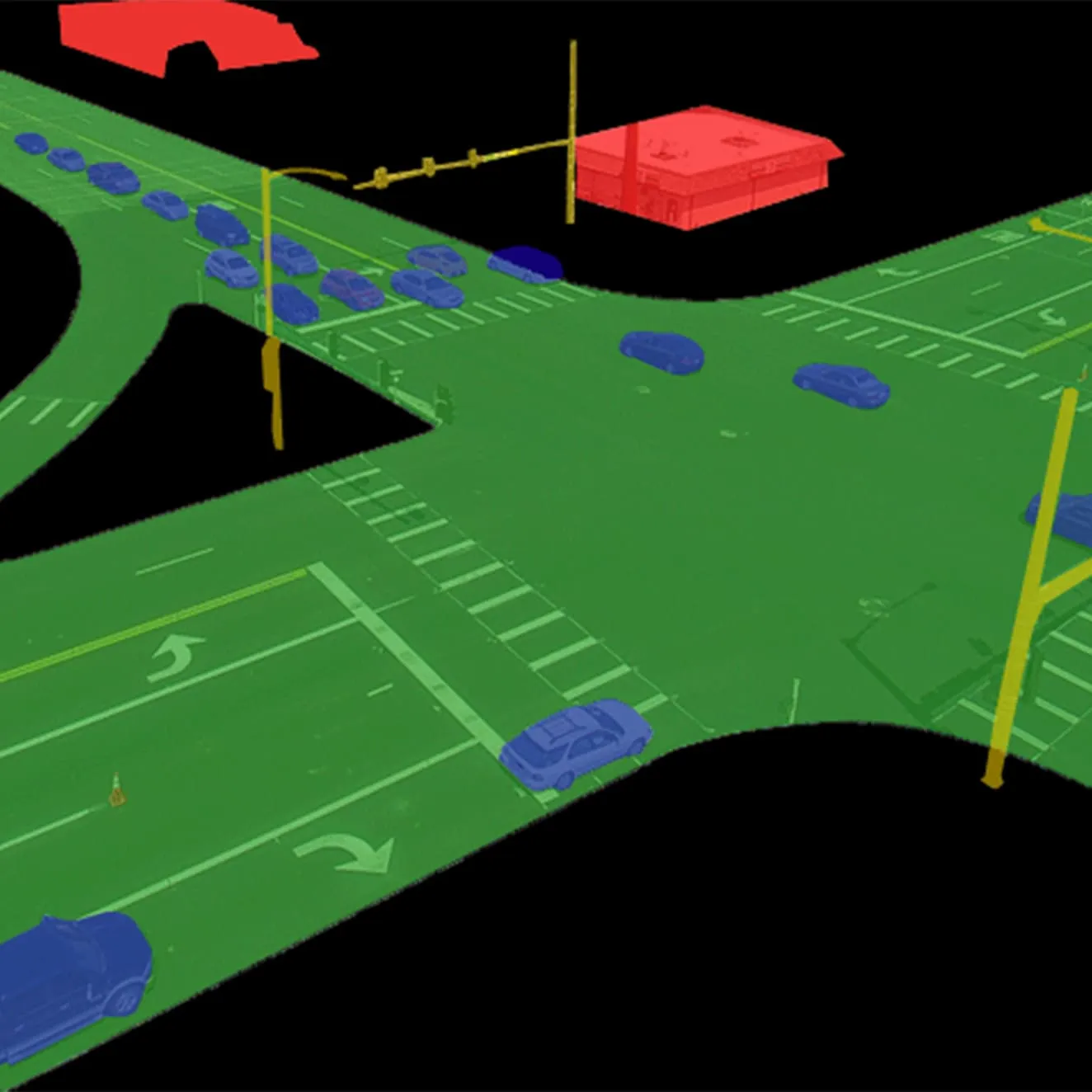
Semantic Segmentation or Semantic Analysis is an interaction of
pixel-level picture division and comment. Self-driving vehicles,
Drones and Robotics utilize this help for their datasets.
In advanced picture preparation and PC vision, picture division
is the way toward dividing a computerized picture into numerous
sections of different pixels. The objective of the division is
to rearrange as well as change the portrayal of a picture into
something more significant and simpler to investigate. It is
commonly used to find items and limits in pictures. Even more
unequivocally, picture division is the way toward allotting a
mark to each pixel in a picture to such an extent that pixels
with a similar name share certain attributes.
Polygon Annotation
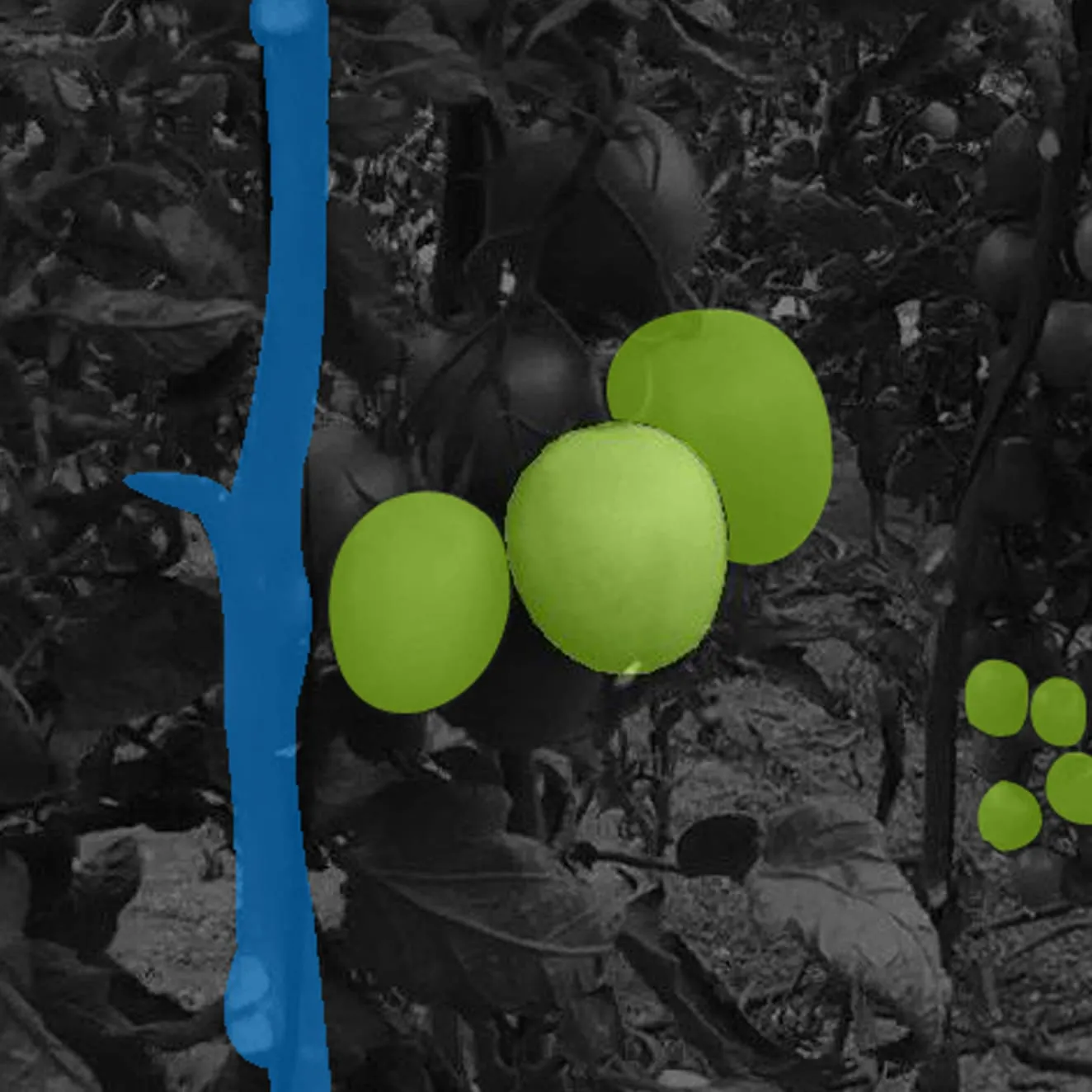
Polygon annotation accredits the transformation of raw visual
data in the form of images into labeled images. This aids in
providing training data sets for machine learning models.
Unspecified and undetectable shapes can also be made
recognizable with polygon annotation. Polygon annotation is one
of the most essential features of computer vision. It enables a
machine to understand its surrounding visuals. It aids
autonomous driving vehicles in dodging obstacles like
pedestrians, traffic blocks, and other vehicles on the road.
3D Cuboid Annotation
Cuboid Annotation is the undertaking of naming items in
2-dimension pictures with cuboids. The 3D cuboids help to decide
the profundity of the focus on items like automobiles, people,
structures, and so on.
All things considered; this picture explanation method assists
with building the ground truth datasets.Cuboid Annotation is
utilized for building a 3D reenacted world from 2D data caught
by cameras. It focuses on preparing information assists with
preparing the Cuboid Detection models which help in limiting the
objects of interest on the planet and in assessing their
posture.
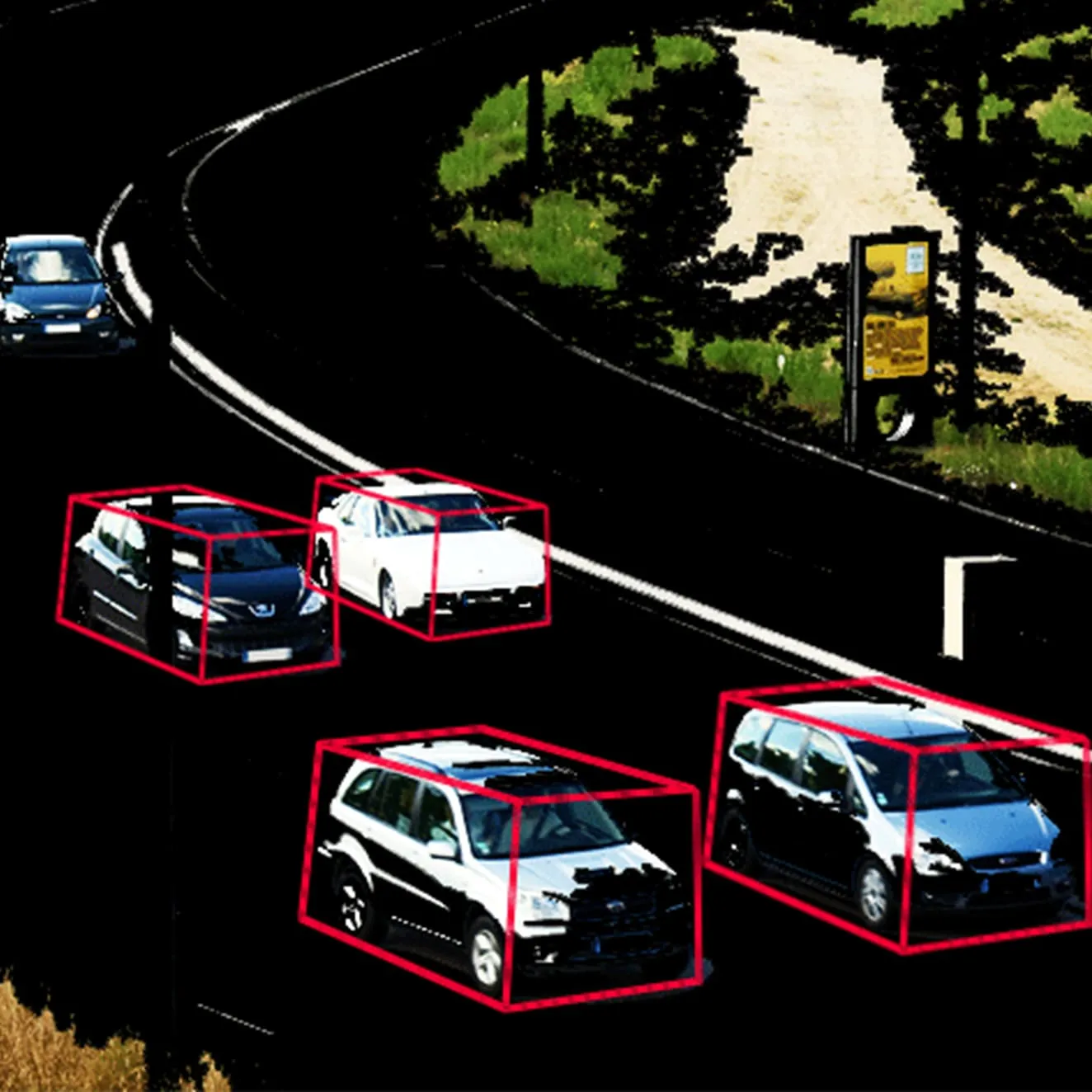
Image Annotation
Image Annotation service refers to tagging & labelling an image in a strategic manner using computer-assisted help and human-powered work. It is basically the association of an entire image or a section of the image with an identifier label. Image Annotation for AI is a vital step in creating computer vision models that carry out specific tasks like object detection, image classification and image segmentation. Image Annotation might either refer to tagging & labelling every group of pixels within an image or just labelling one segment of an image.
Image Annotation deals with image tagging & labeling to sorting the objects in the image, the retrieval of your image is then streamlined to make it easy for the audience to find them. In order to get the most cost-effective Image Annotation service, you need to opt for the correct image annotation tool & invest in the accurate time.
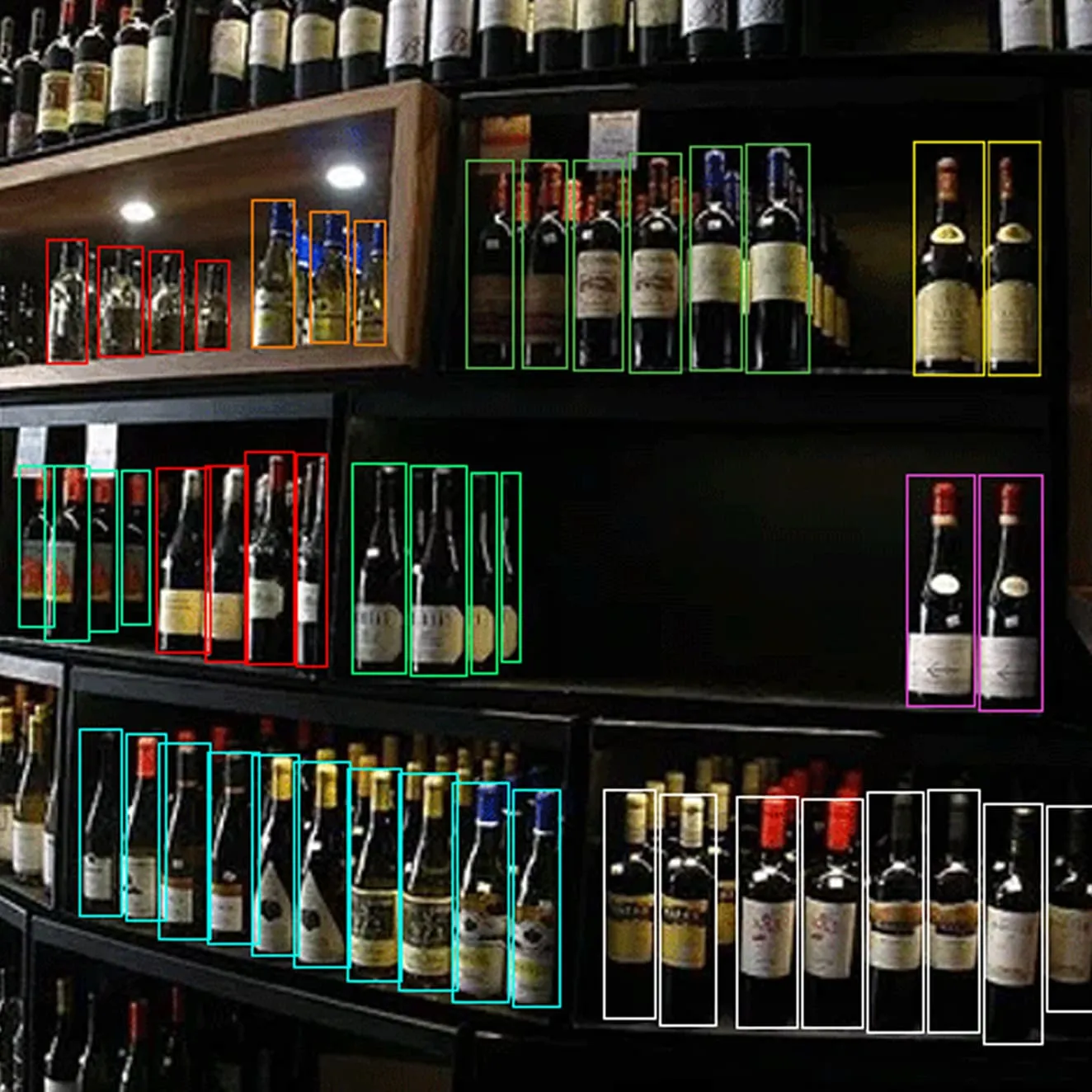
Image Masking
Annotation
Image masking services is a significant piece of making specific
changes. Picture masking is utilizing veils or specific
acclimations to disengage where a change is occurring.
Image masking is a cycle of covering up or uncovering certain
bits of a picture. It is a cycle of illustrations programming to
shroud certain parts of a picture and to uncover a few bits. It
is a non-ruinous interaction of picture altering. Often it
empowers you to change and change the veil later if vital.
Regularly, it is productive and more innovative method of the
picture control administrations.

Autonomous Vehicle
Annotation
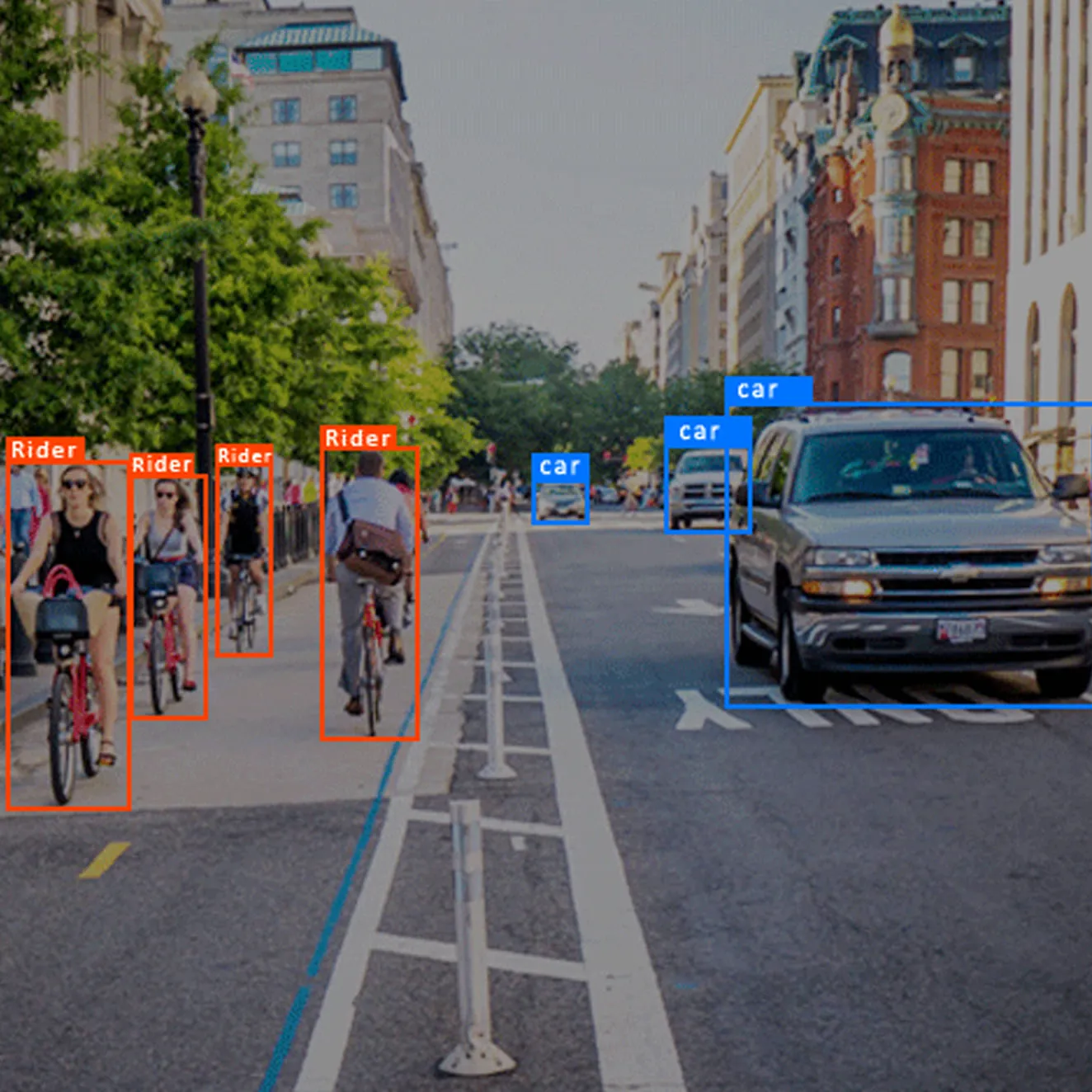
Data annotation is needed to identify and diagnose the enormous data collected by various input devices of machine learning models to increase the efficiency of their autonomous working mechanism.
Self-driven or autonomous vehicle annotation is the basis of a new future. Data annotation is the mechanism that helps in identifying and describing different objects so that the AI software can get the grasp of this information to perform their further tasks in continuation. The data captured in the form of images and videos need to be labeled or annotated to train machine learning models. This data should also be in an understandable form for all the machine learning and deep learning models. That’s where annotation comes into play.
Geospatial Annotation
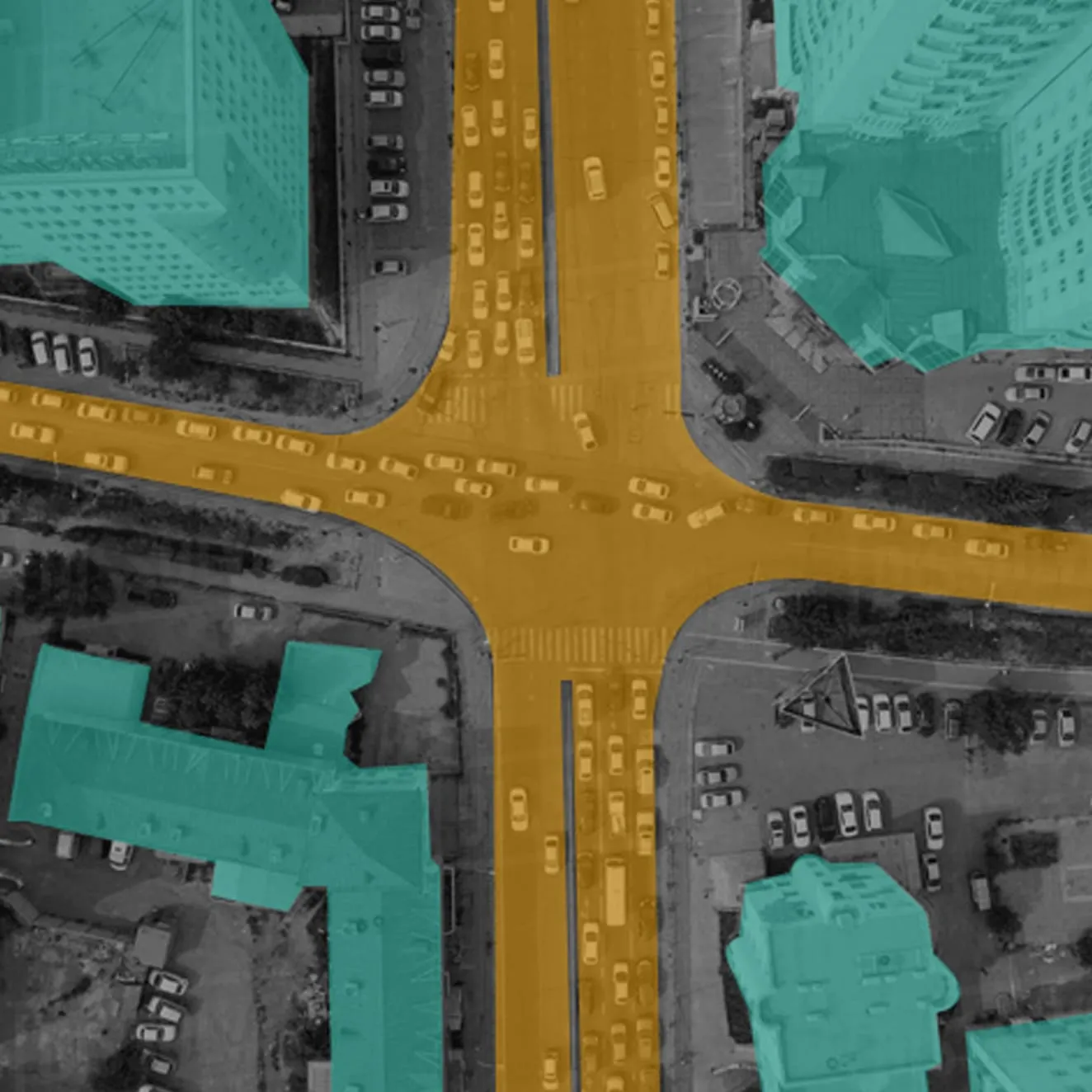
With an extensive team, we offer incredible Geospatial annotation services that align with span creation and mapping services for different companies and organisations. Our exclusive Geospatial annotation services are aligned with a wide usage across options including ride-hailing, 3D analysis, navigation apps, risk analysis, autonomous cars, location analytics, and much more. We deliver these services with a combination of automation and AI-ML enabled tools.
The term "geospatial data" reflects all sorts of phenomena and data on objects across the globe. These phenomena are associated with varying spatial characteristics depending upon certain location prevalent on the surface of the earth.
3D LiDAR Annotation
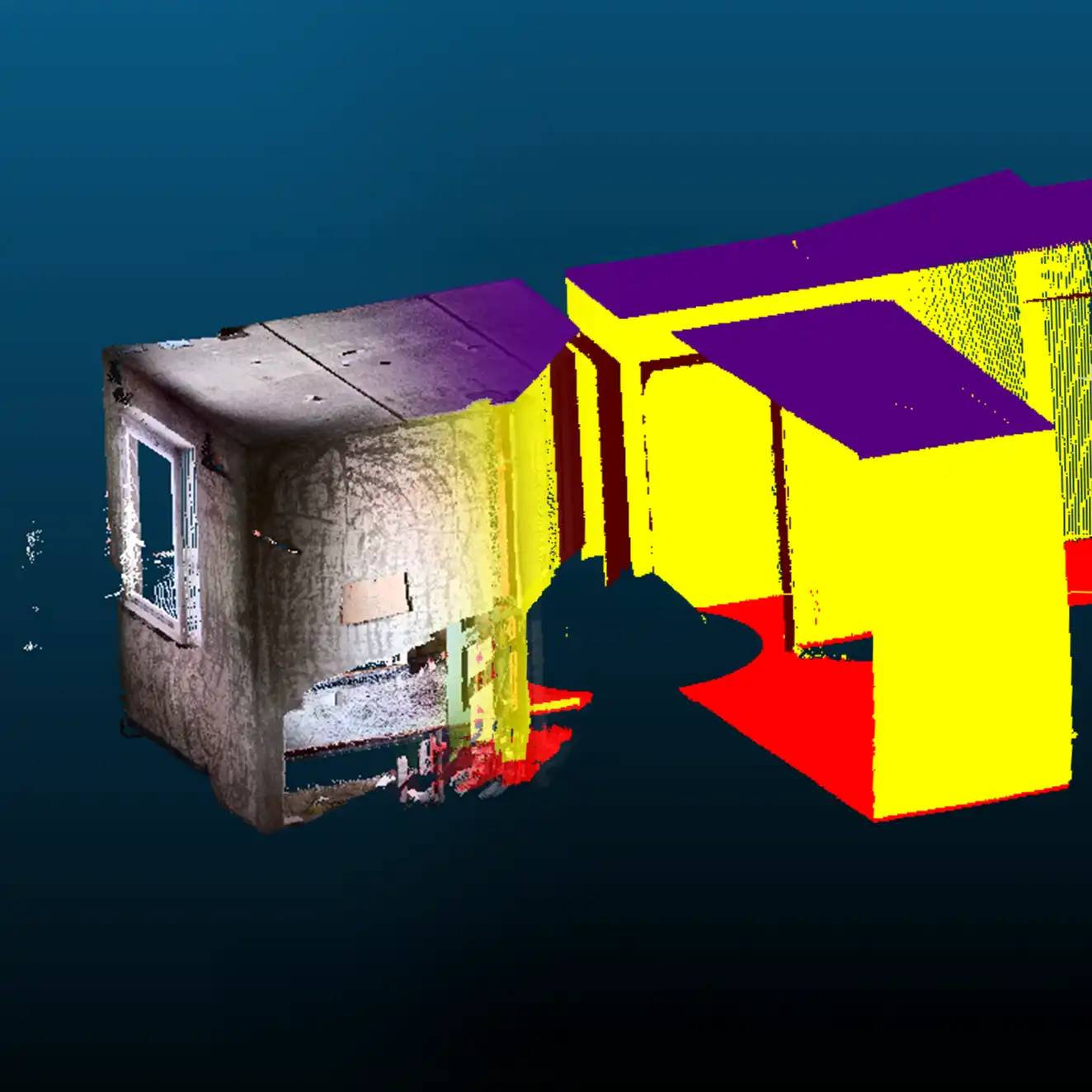
3D LiDar annotation (Light Detection and Ranging), also known as point cloud labelling, uses a very high-precision labelling tool to enable you to label, visualize and track the object across frames in 3D point clouds for all types of LiDARs. Autonomous vehicles, drones, agriculture tech, maps and many other devices use this technology.
Being the most essential services for any autonomous vehicles, Lidar operates at a very high level of autonomy. Point cloud labelling is very crucial while utilizing deep learning algorithms as it requires the labelling of a massive amount of training data. Low resolution, sluggish performance, and complex annotation process makes Lidar point cloud data annotation very challenging.
Line Annotation
Line Annotation support is one of the most frequent forms of annotation services. These are quite easy to understand and equally versatile. With such extensive flexibility, Line Annotation allows us to annotate data through multiple ways and channels. We help you accurately identify the street lane lines considering the autonomous vehicle perception models in AI-driven intelligence.
Our Line Annotation service aligns with a streamlined approach including marking of every image using a focused image data in order to evaluate the dimensions. These pixel-based dimensions will annotate all the images to enhance the utility and accuracy of our line annotation service. We apply accurate technology and tools within an explicit algorithm in order to acquire required results through extensive accuracy.

Text Annotation
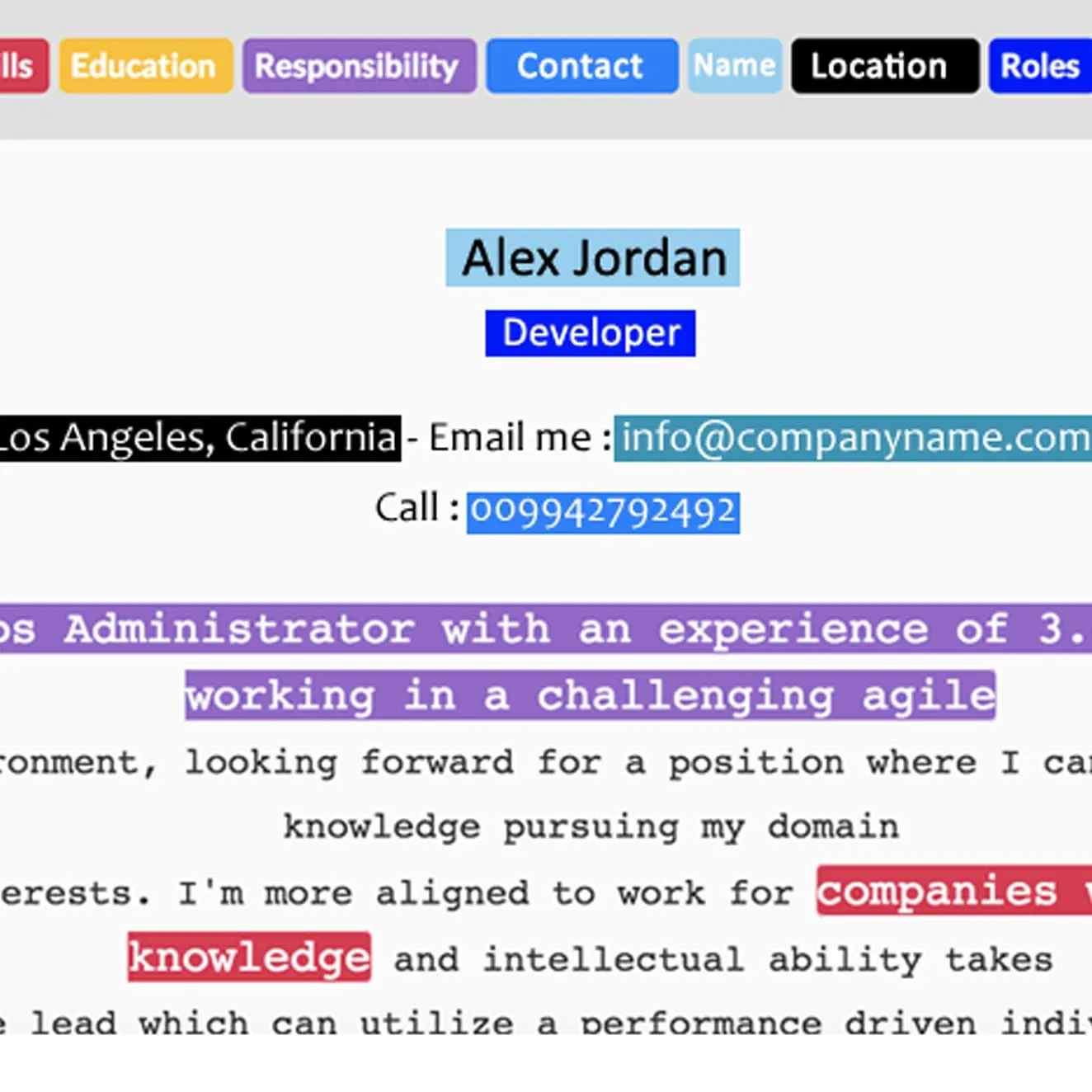
Text annotation service is the process of highlighting text data with tags to markup different criteria such as keywords, phrases, sentences, etc. The annotated data is then used to train AI or machine learning through a process known as Natural Language Acquisition (NLP). Since text is the most common form of media, a high level of accuracy and comprehensiveness needs to be maintained throughout the annotation process. Poor annotations will lead to a machine that exhibits various issues such as grammatical errors or issues with clarity or context.
We are equipped to handle a wide variety of text annotation services including Text Annotation for Speech Recognition, Text Annotation for NLP in Machine Learning and Sentence-Level Quality Text Annotation. These are rendered through a combination of different types of text annotation services such as:
Key Point Annotation
Key Point annotation is a more detailed protocol of image annotation used to detect small objects and shape variations by marking locations of Key Points. Key Point annotations are used to label a single pixel in the image to portray an object's shape. It is a very precise technique that has its uses in movement tracking and prediction, human body parts detection, emotion, gesture and facial recognition. It is commonly used in sports and security.
Artificial intelligence requires human intervention . The goal of image annotation is to assign relevant, task-specific labels to images so that it is easily understood by the AI.

Video Annotation
Video annotation is used in creating training data sets for high visualization training in deep learning and machine learning models. Video annotation services involve adding metadata to videos which can be used to train Computer Vision models to detect and identify moving objects. It involves a very intensive process of processing, analyzing and understanding every frame in a video.
Purpose of Video Annotation Services
- Detecting Objects: Identifying objects of interest through each frame and making them recognizable to machines.
- Localize Objects: Locating main objects in an image where multiples objects might be visible at the same time
- Track Objects: Detecting and recognizing a wide variety of objects that are in motion.
Audio Annotation
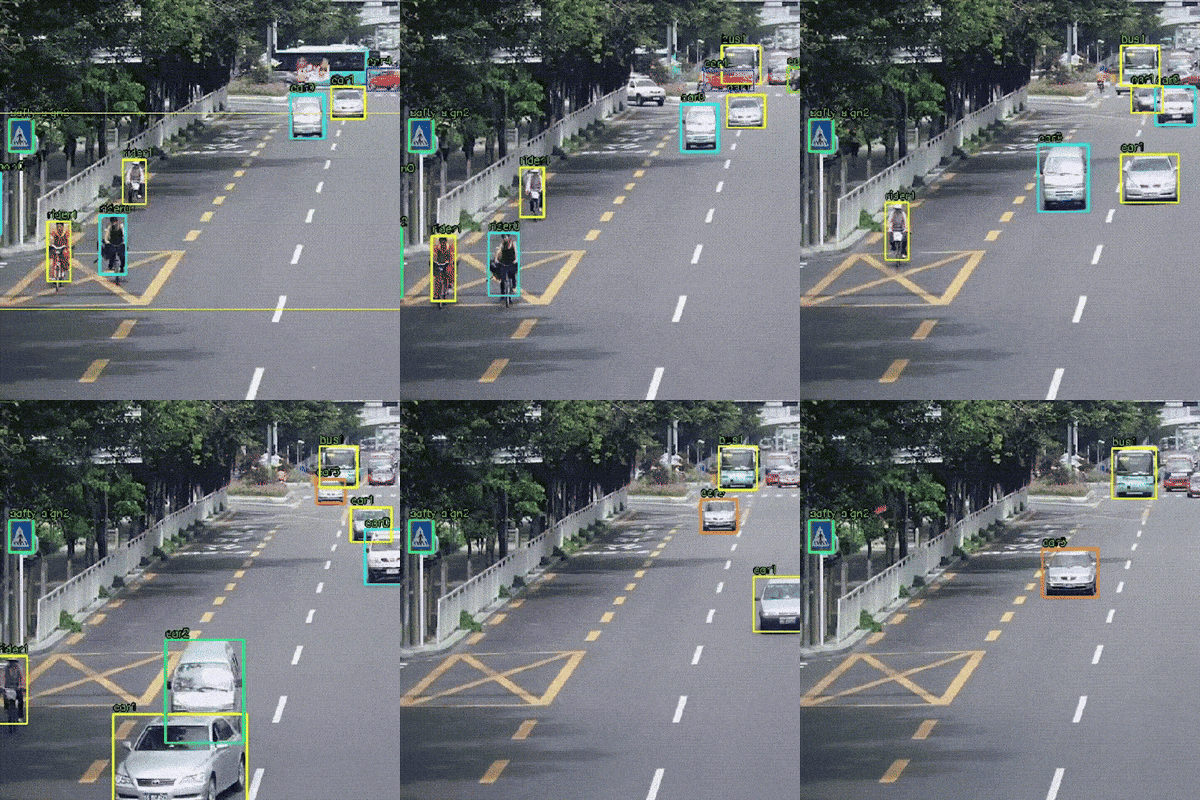
Audio Annotation deals with making the sound or speech recognizable so that it could be comprehended by the visual assistant devices and chatbots through machine learning. Audio Annotation is generally done for all types of speech, a sound that could be heard and utilized for natural language processing. Annotation Support tends to provide a high-quality audio annotation service for each audio file to attain the best level of accuracy. Audio Annotation significantly increases the human-bot association by making the human sound recognizable and readable by AI machines.
Speech Annotation for Machine Learning:
In the speech annotation process, the speech containing different types of sentences and words are annotated by the experts while relating them with the spoken words and their meaning. The experts tend to keep the actual words and their meaning in their mind during the annotation process to obtain the most effective results.
Instance Segmentation
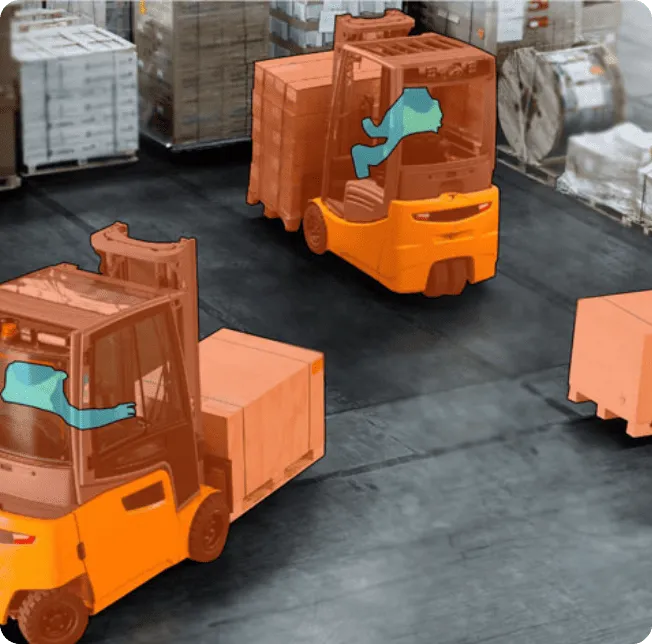
Instance segmentation is the task of detecting and delineating each distinct object of interest appearing in an image. It is a very important component of Image segmentation, which is the foundation behind many AI products. It is the process of identifying characteristics of the data you want your AI model to learn to recognize. Image segmentation involves dividing image pixels are into different parts and labeling them according to certain rules
Why Instance Segmentation?
Much like humans, computers learn how to categorize things through repeated exposure to various examples of an object. Image annotation provides examples in a way that the computer is able to understand.While Instance Segmentation labeling is expensive, it is one of the more robust and comprehensive methods of achieving object detection in image analysis. Uniquely identifying each instance of objects in an image which is segmented by defined categories can make for a model that is extremely intelligent.
Our Clients
Trusted by innovative startups and global enterprises to deliver accurate, scalable data annotation for AI success.














Industries we Specialise
Our expertise image annotation services offered by domain specifically trained annotation professionals in such industries as autonomous vehicles, medical care, fintech, retail, and e-commerce. So your data is not labeled with assumptions but rather experience of real life applications.






Why Choose us for Data labeling Services?
Ready to turn raw data into high-performing AI models?
Partner with us a trusted data annotation company that delivers accuracy, speed, and scale.
Accuracy You Can Trust

Multi-layered quality checks ensure clean, reliable datasets.
Scalable Workforce

Custom-made for healthcare, automotive, automotive, retail industries, agriculture and others.


Data Security First
Robust protocols to safeguard sensitive information

Cost-Effective Outsourcing
Flexible engagement models that deliver value.
Our Popular Annotation &
Data Labeling Services

Bounding Boxes
1

Polygons
1

Segmentations
1

Cuboids
1
Latest Blog
Explore our latest blogs for expert insights on data annotation, AI training data, machine learning trends, and real-world use cases—designed to help you build better AI, faster.
How Annotation Support Helps AI Teams Build High-Quality Evaluation Datasets?
Just like anything else that can be improved by measurement, there are examples of AI teams that can also make use of an evaluation dataset—the gathered, labelled, real-world examples practitioners use to assess if their model is accurate, safe and effective in the real world. Yet many teams treat evaluation data as an afterthought, a spreadsheet assembled in a hurry the week before launch. This is a hazardous throw. With a poor set of evaluation data, it could seem as if a poor model is good, and a good model is poor. At Annotation Support, we work with AI teams every day to build evaluation data they can trust. Here is how dedicated annotation service makes the difference. Why Evaluation Data Demands a Higher Bar? Training is likely to be a type of volume/ variety training. Information consisted of assessment information that is linked to accuracy and belief. The key to them is deciding when to move products out of their lines, what to optimize and which models to use. That raises the standard in three ways: Most in house teams are unlikely to be able to provide all three, during a shipping product. This is where the Annotation partner comes in handy… 1. We Turn Fuzzy Goals into Clear Guidelines The most typical reason why the evaluation information is bad is not the bad annotators. It’s vague instructions. What is an appropriate answer? What will be the answer where part of it is correct? In what ways can something that isn’t hurtful become hurtful? Here Annotation support collaborates with your team to convert these questions to clear and measurable direction. These involves piloting the rubric and making any “difficult cases” visible; then refining the rubric to ensure that all of the annotators understand it in the same way. You have a labelling standard documented, accessible (repeatable) and can be audited easily. 2. We Match Trained Specialists to Your Domain General crowd labelling works for simple tasks, but modern evaluation often demands more. For medical report evaluation, part of legal name clause extraction, code completion or for a multilingual conversation, intelligent individuals are necessary. Our services include recruiting, training and verifying the staff member(s) you need: linguists for multilingual evaluation needs; domain experts for specific subject expert knowledge; engineers for code review. That skill is taken on by the quality of the label, especially on the unmodelled subtle cases. 3. We Build Quality Control into Every Stage It is unfeasible that good evaluations sets are likely to be found in one “pass”. Our workflows sprinkle quality checks throughout: This turns labelling into a process rather than an event and is something which can be factored in and reported on as you are doing it. 4. We Help You Cover Edge Cases and Failure Modes In some production contexts a model that scores well on the test sets to which it was given may not perform well. Usually the ‘long tailed’ – queries with no real structure, bad form, unfamiliar language, uncommon purpose or format. We help you to formulate a purposeful but balanced assessment system that is intentionally filled with such challenging items as well as ways to facilitate “red teaming” sessions where the annotators knowingly develop items that are to be more difficult and/or identify items as challenging items. This gives you a testing set where all that you get is along the lines of where your model fails on average, as well as where it fails. 5. We Welcome Modern Assessment Practices Evaluation no longer only categorises something. Our team members will replace human judgment in the following aspects: Such are judgment calls and labour-intensive tasks. They can be set up to operate on a regular basis and scaled by having the tooling, workflows and trained reviewers brought to them. 6. We Scale with Your Roadmap. Evaluation Needs are typically not constant. When you complete your major upgrade on your model, you could be needing 500 examples for the month, and 20,000 examples for next quarter. In-house labelling teams may be slow and expensive to the tune of that much turnover to achieve one of their fastest and most cost-effective solutions. We’re a managed partner, in the sense that we increase or decrease capacity within a relatively short amount of time, we have a fairly predictable turnaround and we’ve the same standard of quality in volume as we have in small quantity. Your ML engineers are mainly involved in the whole modelling stuff and not recruitment and training of your labellers and supervising them. 7. You Get Faster Iteration and Better Decisions The effective outcome is a quick confident pace. With reliable evaluation data, your team can: Shorter is better feedback time, better is reliable evaluation. When there’s a question as to the believability of a metric, your team can act on it, rather than debate it. Let’s Build Your Evaluation Dataset Together An evaluation dataset is only as good as the people and processes behind it. At Annotation Support, we pair clear guidelines, skilled reviewers, rigorous quality control, and the capacity to match your roadmap to help AI teams get metrics they can trust and models they can ship with confidence. If evaluation data is holding your team back, the fix may not be a better model. It may be better labels. Visit annotationsupport.com to talk through your evaluation needs or request a pilot batch.
Read More
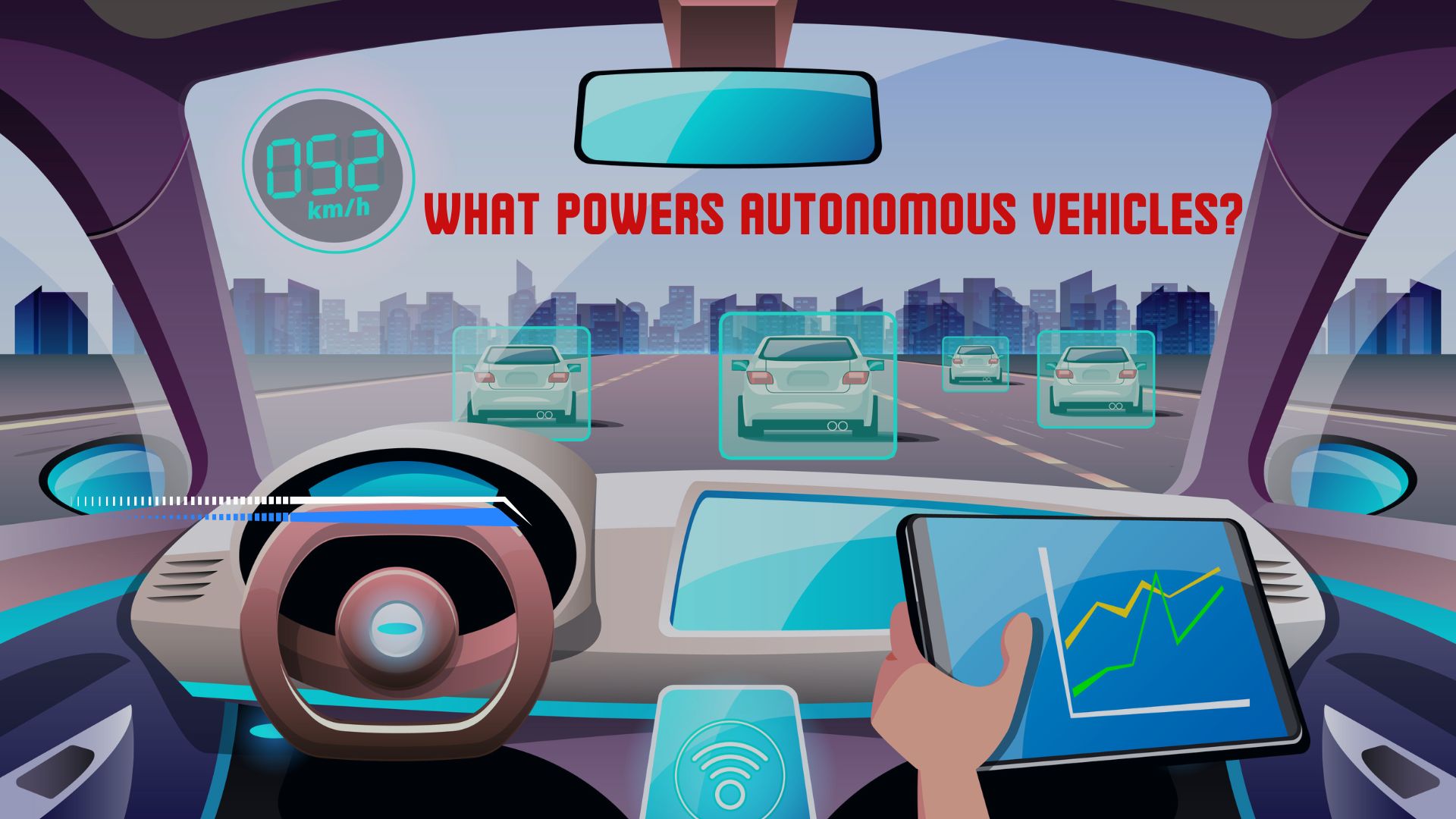
What Powers Autonomous Vehicles? A Deep Dive into Data Annotation
The vision of completely self-driving vehicles is on the verge of becoming a reality. From self-driving cars navigating busy city streets to autonomous trucks transporting goods across continents, artificial intelligence (AI) is revolutionizing the transportation industry. Data annotation is one of the key requirements that most people don’t think about when designing a safe and smart autonomous vehicle. Data annotation creates the annotated datasets that allow AI models to interpret road users, traffic, hazards and make real-time driving decisions. The lack of precise and accurate data would make it difficult for an autonomous vehicle to “see” what is happening around it. This blog examines how data annotation plays a crucial role in the development of autonomous vehicles, the types of data annotations that are used, and the importance of having high-quality labeled data when creating safer and smarter mobility solutions. Understanding Autonomous Vehicles Autonomous vehicles (AVs) process the surrounding environment and interact with it using a combination of sensors, cameras, LiDAR, radar, GPS, and AI algorithms. These systems process huge amounts of data to detect vehicles, forecast their trajectory and make the most informed driving decisions. There are various degrees of vehicle automation – from driver assistance to full automation (Level 5). More and more, as autonomy grows, needs for high accuracy and diversity of annotated datasets becomes more and more important. Why Data Annotation Is Critical for Autonomous Vehicles? Autonomous driving systems are dependent on supervised machine learning and deep learning models, which need to be trained with very well labelled data. Each pedestrian, traffic sign, lane marking, vehicle, cyclist and obstacle should be properly labeled and identified so the AI can recognize similar objects in real-world driving scenarios. High-quality data annotation helps enable autonomous vehicles to do the following: These AI models rely heavily on the quality, consistency, and diversity of the annotated training data—the quality of this data is directly correlated to the accuracy of the AI model. Types of Data Annotation Used in Autonomous Vehicle Development 1. Bounding Box Annotation One of the most popular annotation approaches in autonomous driving is to use bounding boxes. They assist AI systems in detecting and pinpointing objects in frames and images of videos. The most common objects that are annotated are: The bounding boxes help form the basis for an algorithm that can detect objects in the environment, allowing the vehicle to identify its surroundings in real time. 2. Semantic Segmentation Semantic segmentation distils all the information in an image into a class label for each pixel, enabling self-driving cars to decipher entire scenes, not just individual objects. Typical classes include: This detailed knowledge enables AI systems to differentiate between areas that can be driven through and areas that cannot be driven through. 3. Instance Segmentation Instance segmentation is different from semantic segmentation in that it segments one instance of an object at a time even in cases where there are multiple instances of the same object. For instance, each vehicle or pedestrian gets a distinct annotation which helps to track them and avoid collisions. 4. Polygon Annotation The polygon annotation is more accurate than the rectangle annotation for representing irregularly shaped objects. It’s frequently employed for: This will render more precise boundaries of objects and hence improve computer vision results. 5. Polyline Annotation A requirement to map road structures and navigation paths is polyline annotation. It is used to annotate: Lane detection is a crucial component of lane keeping, lane changing and path planning. 6. 3D Cuboid Annotation Spatial awareness is a crucial component for autonomous vehicles, and 3D cuboid annotation is essential. Cuboids give information about: These annotations assist AI to determine where nearby vehicles and objects are and how they’re moving. 7. LiDAR Annotation LiDAR sensors produce a million or more 3D point cloud measurements. These point clouds are then used for structured training data through specialized annotation. LiDAR annotation includes: LiDAR data does not only enable the improvement of the accuracy of perception, especially in low-light situations, but it also brings other advantages. 8. Radar Annotation When paired with camera and LiDAR data, radar provides accurate distance and speed measurement of objects in weather conditions where cameras and LiDAR are not effective, like in the rain, fog, and snow. Radar annotation is essential for the integration of various sensor data in AI systems, leading to more accurate perception. 9. Video Annotation Temporal understanding is a critical issue for autonomous driving. Video annotation enables: The continuous frame by frame annotation trains the AI to learn the movement of objects over time. 10. Keypoint Annotation Keypoint annotation is a type of annotation that locates specific features on objects. Examples include: These annotations are useful to support pose estimation and behavior prediction. Sensors Used in Autonomous Vehicles These include: AI systems can make accurate decisions by fusing information from multiple sources, which is known as sensor fusion. Conclusion Autonomous vehicles are changing the future of mobility, and the smartness of these vehicles relies on quality annotated data. Data annotation is the backbone that enables the proper perception, navigation and decision making for data, ranging from bounding boxes and semantic segmentation to LiDAR point cloud labelling and multi-object tracking. An experienced provider of the annotations will provide accurate and extensive and scalable datasets to train the AI models. Tailored for the automotive industry, AI and mobility startups, Annotation Support offers trusted enterprise-grade data annotation services to expedite the development of autonomous vehicles. Be you developing advanced driver assistance systems (ADAS), autonomous delivery vehicles, or a full self-driving platform, high-quality data annotation plays a pivotal role in ensuring safer, smarter, and more reliable mobility solutions.
Read More
Data Annotation for Foundation Models: Enabling Next-Gen AI Capabilities
The era of Artificial Intelligence has taken a new turn with the advent of **foundation models** which are large scale AI models that can comprehend text, images, audio, video, and even multimodal data. Industries are revolutionized by the advent of these models, which fuel intelligent applications from virtual assistants to autonomous vehicles, all the way to medical diagnostics. From virtual assistants to autonomous vehicles to medical diagnostics, Large Language Models (LLMs), Vision-Language Models (VLMs), and multimodal AI are driving intelligent applications that are transforming industries. But there is one crucial component that makes these models truly intelligent: the quality of the data annotation. To learn patterns, relationships and context, foundation models must be trained with billions of accurate data points. Even the most sophisticated AI systems can fall short of providing precise, safe, and trustworthy outputs without reliable annotations. In this blog, we will delve into the significance of data annotation for foundation models, the methods employed in data annotation, and the role professional data annotation services play in creating next-generation AI solutions for organizations. What are foundation models? Foundation models are massively trained AI systems that are capable of being fine-tuned for a range of tasks below. Organizations can fine-tune foundation models to apply them to distinct use cases and industries rather than creating and training distinct AI models for each application. Examples include: These models are trained on a variety of data sources, and the quality and consistency of annotated data are crucial for effective training. Why Data Annotation Matters for Foundation Models? Foundation models need to be capable of comprehending context, relationships, intent, and complex real-world situations, unlike traditional machine learning models which are designed to handle specific tasks. By creating accurate annotation, models can: The more well annotated the better the model works in various applications. Types of Data Annotation Used in Foundation Models 1. Text Annotation Through textual annotation, the language models can grasp grammatical rules, meaning, context, and semantics. The most common annotations are: Applications include: 2. Image Annotation For computer vision foundation models to identify objects and environments in a picture, they need millions of labelled images. Popular methods of annotation are: Applications include: 3. Video Annotation Video Datasets enhance foundation models in comprehending motion dynamics, activities, and temporal relationships. Annotation methods include: Applications include: 4. Audio Annotation Speech and audio annotation enhances voice recognition and conversational AI. Tasks include: Applications include: 5. Multimodal Annotation Modern Foundation models integrate several data types at the same time. Multimodal annotation links: These datasets allow AI systems to comprehend information in various modalities. Best Practices for Foundation Model Annotation To enhance the quality of the annotations, the following best practices are recommended: Why Choose Annotation Support? We offer scalable, enterprise-grade data annotation services to support foundation model development at Annotation Support. We have specialized teams to annotate images, videos, text, audio and multimodal data to provide high quality training data for cutting edge AI applications. Conclusion While foundation models are changing what AI can achieve, they need high-quality data to learn and become effective. The context these models need to understand language, images, video, and audio, as well as complex multimodal interactions of those modalities with one another, is provided by accurate, consistent, and scalable data annotation. The collaboration with an experienced provider of annotations such as Annotation Support allows organizations to speed up the development of their AI and enhance its accuracy and effectiveness, thereby helping them create the next generation of intelligent applications with tangible business impact.
Read More
Interested in Annotation Services?
Please fill in the form below and we will contact you within 24 hours.